- Heavy periods explained
- Understanding fibroids
- Iron, anaemia and tiredness
- The impact at work and the law
- Practical support and conversations
Guide · Updated October 2026
Heavy periods and fibroids at work: how to support staff
Heavy periods are common, often hidden and treatable. You can support staff with simple, low-cost changes: toilet breaks whenever they’re needed, with cover arranged, free period care, darker or spare uniform, and some flexibility on the heaviest days. You don’t need a diagnosis to start. Your job is to listen, agree what helps and suggest a GP visit.
What counts as a heavy period
NICE defines heavy menstrual bleeding by its impact, not a set amount: blood loss that interferes with someone’s physical, social, emotional or material quality of life. Signs the NHS lists include:
- changing a pad or tampon, or emptying a cup, every 1 to 2 hours
- using two products at once, or bleeding through to clothes or bedding
- periods lasting more than 7 days, or passing clots the size of a 10p coin or bigger
- often feeling tired or short of breath, or taking time off work because of periods.
Wellbeing of Women estimates that about 1 in 3 women have heavy periods at some point. If heavy periods are all you’ve known, they can seem normal, and Wellbeing of Women found people wait almost two years on average before seeing a health professional.
Fibroids and other causes
Often there’s no clear cause. Periods can be heavier when they first start, after pregnancy and in the years before menopause. Other causes the NHS lists include fibroids, adenomyosis, endometriosis, PMOS (PCOS), bleeding disorders and some medicines. Rarely, heavy bleeding is a sign of womb cancer, which is one reason it’s worth getting checked.
Fibroids are common, non-cancerous growths in or around the womb. Many people with fibroids have no symptoms. When they do, symptoms can include heavy or painful periods, back or tummy pain, a feeling of pressure, and needing to wee more often or suddenly. The NHS says fibroids are more likely in people who haven’t reached menopause, people from a Black or Asian background, and people with a close relative who has them. Some people say they waited a long time for a diagnosis, so take concerns seriously, without making assumptions about anyone.
Treatment ranges from medicines to surgery, and it’s a decision for the person and their doctors. Your focus is support at work.
The hidden tiredness: iron deficiency anaemia
The NHS says heavy periods are a common cause of iron deficiency anaemia. It builds up slowly, so people may not notice how tired they’ve become. Symptoms include tiredness that rest doesn’t fix, breathlessness on stairs or a short walk, palpitations, headaches, pale skin and finding it harder to concentrate.
This can look like a performance issue when it’s a health issue. Don’t diagnose or recommend supplements. Ask an open question, such as “How are things going at the moment? Is there anything that would help?”, and suggest a GP visit. A simple blood test can check for anaemia, and it’s treatable.
How heavy periods affect work
- Fear of flooding and leaks, which makes it hard to focus, present or sit through long meetings.
- Toilet access. People may need to change every hour or two. Roles that can’t be left without cover, such as reception, driving or production lines, make this much harder.
- Uniforms. Light-coloured or tight uniforms show leaks. Without a spare, a leak can mean going home.
- Travel and site work with few toilets.
- Absence and appointments, including recovery from treatment or surgery.
Frontline roles feel this most. In the TUC’s 2024 survey of union members, only 55% said they could use a toilet while doing their job all the time, and 18.5% said period care was always provided at work.
Adjustments that help
Most cost little or nothing.
- Breaks and cover: short breaks whenever needed, not just at set times, with cover agreed in advance. Build breaks into long meetings and training.
- Facilities: toilets close to where people work, free period care including larger sizes, a bin in every cubicle and somewhere private to change.
- Uniform: darker colours, a spare uniform and somewhere to keep a change of clothes. PPE that fits the wearer.
- Flexibility: flexible start times on the heaviest days, home working where the role allows, less travel for a while, and time off for appointments.
- Surgery: plan time off and cover in advance, agree how you’ll keep in touch, and consider a phased return.
Ask what would help, write down what you agree, keep it confidential and review it regularly.
What the law says
This is a summary, not legal advice. Acas offers free advice to employers and employees.
- Disability. Under the Equality Act 2010, heavy periods or fibroids won’t always count as a disability, but they can. The test is a substantial (more than minor or trivial) and long-term (12 months or more) effect on normal day-to-day activities, judged without treatment. If it’s met, you must make reasonable adjustments. Good employers focus on what would help rather than waiting for a label.
- Absence. Counting disability-related absence the same way as other absence can lead to discrimination. Consider adjusting triggers or recording it separately.
- Facilities. The Workplace (Health, Safety and Welfare) Regulations 1992 require suitable and sufficient toilets and washing facilities.
- Flexible working. Since 6 April 2024, employees can ask for flexible working from their first day.
- Harassment. Jokes about periods or toilet trips can amount to harassment related to sex.
Questions people ask
Do I need to know someone’s diagnosis before I help?
No. Support can be based on how symptoms affect someone now. Telling someone you can’t help until they have a diagnosis can leave them struggling.
What should I do if someone leaks at work?
Stay calm and practical. Help them get somewhere private and find a change of clothes, and ask what they’d prefer to do next. Afterwards, talk about spare uniform, darker colours and break cover.
Should I suggest they see a GP?
Yes, gently. The NHS says it’s worth seeing a GP if periods affect daily life. Bleeding between periods or after sex should always be checked.
Sources
Go further
Courses on this topic
- What's normal and what isn't
- Heavy periods and anaemia
- PMS, PMDD and mental health
- Period pain and the working day
- Building a supportive culture
- What gets in the way on shift
- What the law says
- Menopause on the frontline
- Adjustments that fit the shift
- Talking to your team
- The cycle and what's typical
- When periods aren't typical
- Periods at work
- Why your role matters
- Red flags and when to signpost
- What pharmacies can offer
- Respectful conversations
- Self-care, free products and support

Become a period positive workplace
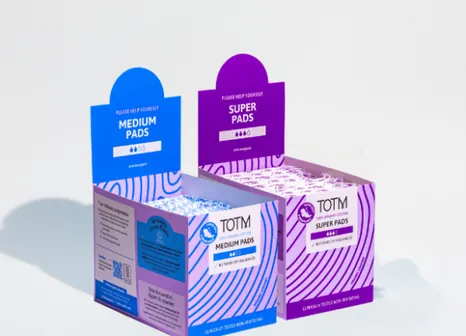
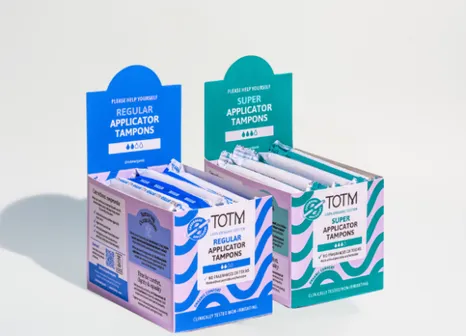
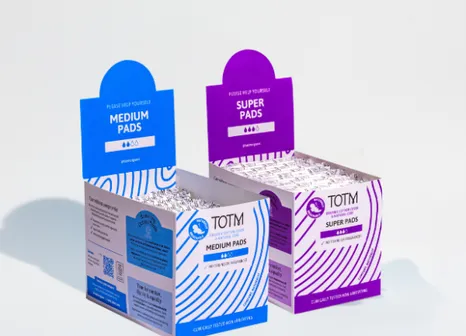
Training is the first step. The next is making sure people can get a pad or tampon at work. Your organisation can buy TOTM organic cotton period care through our Workplace Scheme, to provide for staff in your toilets. We deliver across the UK and Ireland, every month or every three months.
70%of people in our Periods at Work study had been caught short by their period at work.
 Certified organic cotton
 No toxins or fragrances
 Trusted, leak-proof protection
 pH balanced and kind to skin
Shop the Workplace Scheme Talk to us about your workplace
Trusted by hundreds of organisations, including innocent, ELEMIS, Sweaty Betty and Teesside University.