- What period poverty is
- The policy picture
- Providing products well
- Dignity in practice
- Making it last
Guide · Updated October 2026
Period poverty in schools: how to help pupils
Period poverty in schools means pupils going without the products, facilities, information or confidence they need to manage their periods. The most useful things a school can do are simple: free products in the toilets that pupils can take without asking, a bin in every cubicle, a discreet way to leave lessons and staff who know the signs to pass on.
What period poverty is
Period poverty is usually described as not being able to afford or get hold of period care. In practice it’s wider than that. It covers four things:
- Products: having none or not enough, using ones that don’t suit, or using alternatives like toilet roll.
- Facilities: no clean, private toilet, nowhere to wash and no bin for used products.
- Information: not knowing what’s normal, what the options are or where to get help.
- Stigma: feeling too embarrassed to ask, so going without.
It’s often hidden. People rarely say they can’t afford products. They make do, keep products in for too long or stay at home. You may not know which pupils are affected, which is why open, easy access matters.
Why it matters for pupils
Periods affect attendance, confidence and learning. Plan International UK’s 2021 survey of girls and young women aged 14 to 21 found:
- 64% had missed part or all of a school day because of their period.
- 62% had felt less able to take a test or sit an exam on their period.
- 1 in 6 had been teased or bullied about their period.
Money is part of the picture at home too. In ActionAid UK’s 2026 YouGov poll, 11% of women and people who menstruate in the UK struggled to afford period care for themselves or a dependent in the past year. Of those struggling, 36% had worn a pad or tampon for longer than they should.
That matters for health. Keeping products in for too long can raise the risk of infection, including the rare but serious toxic shock syndrome.
Signs worth following up
You’re not there to diagnose, but you may be the first adult to notice something isn’t right. Possible signs of period poverty include a pupil who:
- often asks for products
- has been seen using folded toilet roll instead
- wears one pad all day
- regularly misses school or PE around the same time each month.
Talk privately and kindly with the pupil. Meet the immediate need first, then share your concern with the pastoral lead or school nurse, who can work with the family. If you’re worried about neglect or a pupil’s safety, follow your safeguarding procedures.
Free products: what’s available across the UK
England. The Department for Education’s period product scheme began in January 2020. It offers free products to state-funded schools (for pupils in Year 5 and above) and 16 to 19 providers. It’s set to run until the end of the 2027 to 2028 academic year. Schools order through the scheme’s supplier, within a yearly spend limit, and can choose pads, tampons, period pants and menstrual cups. The scheme is optional, so check your school is signed up, ordering enough and stocking every site. It’s worth asking pupils what they’d like before you order.
Scotland. The Period Products (Free Provision) (Scotland) Act 2021 places a legal duty on schools, colleges and universities to provide free products. It has applied since 15 August 2022.
Wales. Free products in schools are funded through the Welsh Government’s Period Dignity Grant.
Northern Ireland. The Period Products (Free Provision) Act (Northern Ireland) 2022 requires free products in schools.
How to offer products with dignity
Scottish Government guidance sets out principles that work well anywhere in the UK:
- No means-testing. Don’t ask pupils to show or explain why they need products.
- No rationing. Avoid signs like “please take only one”. Some people need several.
- Privacy. Pupils should be able to take products without being seen or having to ask.
- Collecting for others is fine. People may pick up products for someone else.
In practice, that means:
- Products in the toilets, ideally in or near each cubicle, so nobody has to ask.
- Backup supplies in reception and the medical room, with spare underwear, tights and trousers for leaks.
- A bin in every cubicle. In primary, put bins in the toilets used from Year 3 upwards.
- A pass or agreed signal so pupils can leave a lesson without explaining.
- Products near changing rooms, at fixtures, outside exam rooms and on every trip.
- A range of products. Reusables need somewhere private to wash and dry them, so offer them alongside single-use products, not instead.
- Track overall stock, never who takes what.
Language that helps
Words like “hygiene” and “sanitary” suggest periods are dirty. The RSHE guidance in England asks schools to use words like “period pads” and “menstrual products”, and to avoid “sanitary items” and “feminine hygiene products”. Signs that say products are free for anyone who needs them work better than “emergency use only”.
Teaching every pupil, including boys, the same clear facts makes periods an ordinary topic. That makes it easier to ask for help and harder for teasing to take hold.
Questions people ask
Does every school in England have to provide free period care?
No. In England the DfE scheme is optional for state-funded schools and colleges. In Scotland and Northern Ireland, schools have a legal duty to provide free products.
Should we keep products at reception so we know who needs help?
A backup at reception is useful, but it shouldn’t be the only option. Having to ask, often in front of others, stops many pupils using the offer.
What if products don’t seem to be used?
Low uptake isn’t proof of low need. Check the basics first: are products easy to find, in all toilets and well signposted, and do pupils know they’re free?
Sources
- Department for Education: period product scheme for schools and colleges in England
- Department for Education: period products in schools and colleges
- Scottish Government: Period Products (Free Provision) (Scotland) Act 2021 guidance
- Welsh Government: Period Proud Wales Action Plan
- DfE: RSHE statutory guidance
- Plan International UK
- NHS: Periods
- Brook: Periods
Go further
Courses on this topic
- Why menstrual education matters
- The menstrual cycle, explained
- What the curriculum says
- Teaching it well
- Supporting pupils day to day
- Talking about periods with young people
- Periods at school
- Periods, sport and welcoming venues
- What a period champion does
- Knowing the facts
- Breaking the stigma
- Running a campaign
- Peer support and looking after yourself
- What period dignity means
- Offering products well
- Knowing your role
Become a period positive workplace
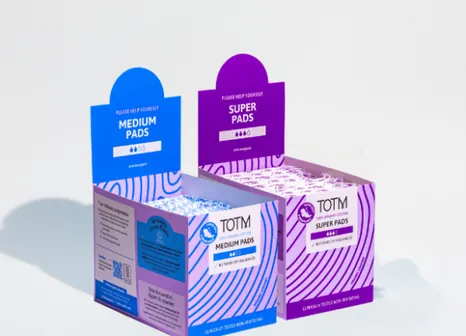
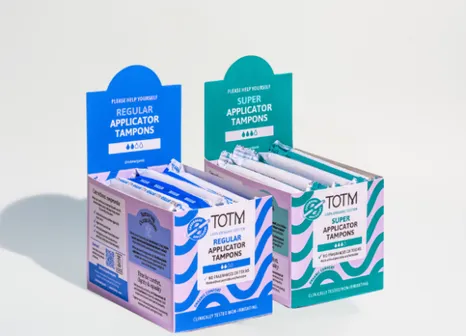
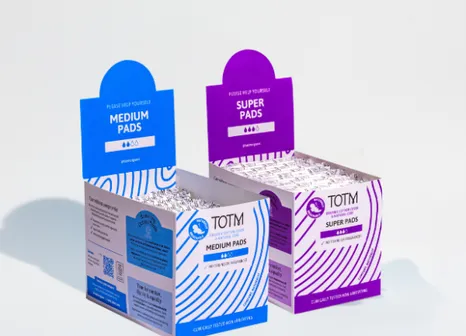
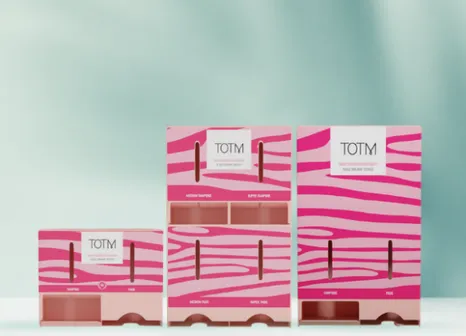
Training is the first step. The next is making sure people can get a pad or tampon at work. Your organisation can buy TOTM organic cotton period care through our Workplace Scheme, to provide for staff in your toilets. We deliver across the UK and Ireland, every month or every three months.
70%of people in our Periods at Work study had been caught short by their period at work.
 Certified organic cotton
 No toxins or fragrances
 Trusted, leak-proof protection
 pH balanced and kind to skin
Shop the Workplace Scheme Talk to us about your workplace
Trusted by hundreds of organisations, including innocent, ELEMIS, Sweaty Betty and Teesside University.